


Case Study
Safe drinking and cooking water for hotel guests from Loch with E. coli, lead & peat
One treatment step for a source carrying bacteria, metals and peat together, with no need to analyse the water first.
“Traditional purifiers just can’t cope. We have very peaty water that over time just kills the RO systems.”
Owner, off-grid holiday resort, Loch Awe

Key numbers
E. coli: 40 to 0
Per 100 ml, loch water to treated water. The UK limit is 0
Lead: below detection
Was almost 5 times the UK limit. 48.6 to <1.1 µg/l; the UK limit is 10
99.7%
of organic carbon from peat removed (285.2 to 0.8 mg/l)
80% fewer bottles
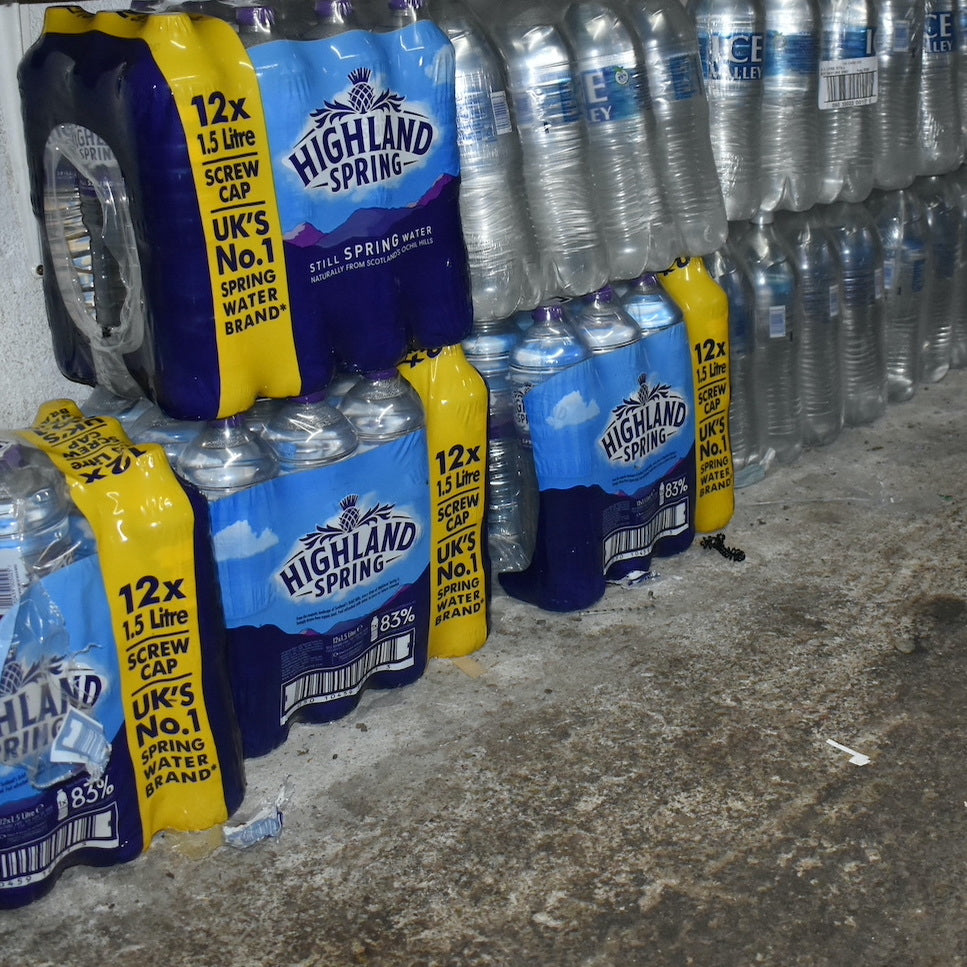
Bottled water use has fallen by 80%, from 25,000 plastic bottles a year

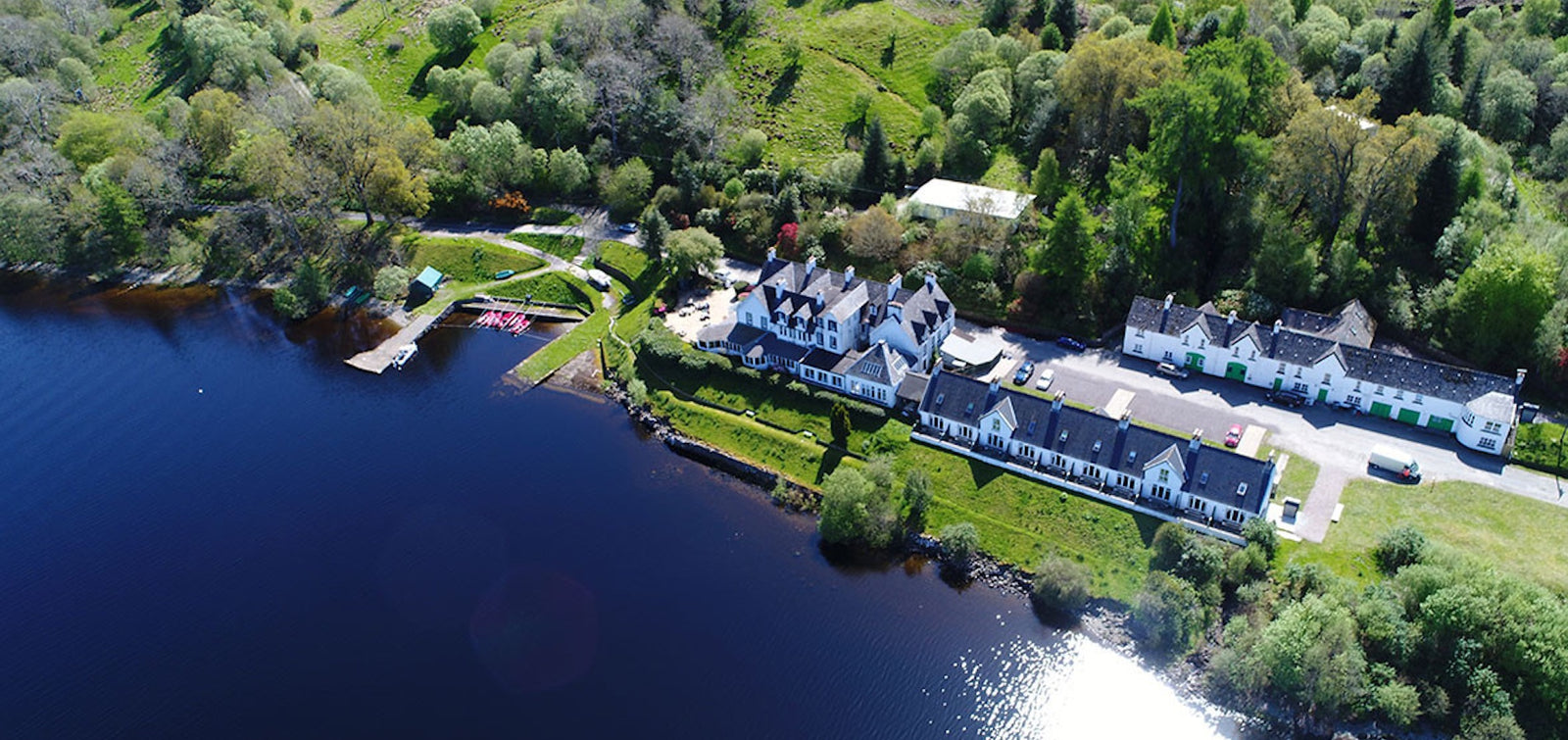
An off-grid holiday resort on the banks of Loch Awe, Argyll, has never had drinkable tap water.
For 20 years it handed guests bottled water and displayed boil notices.
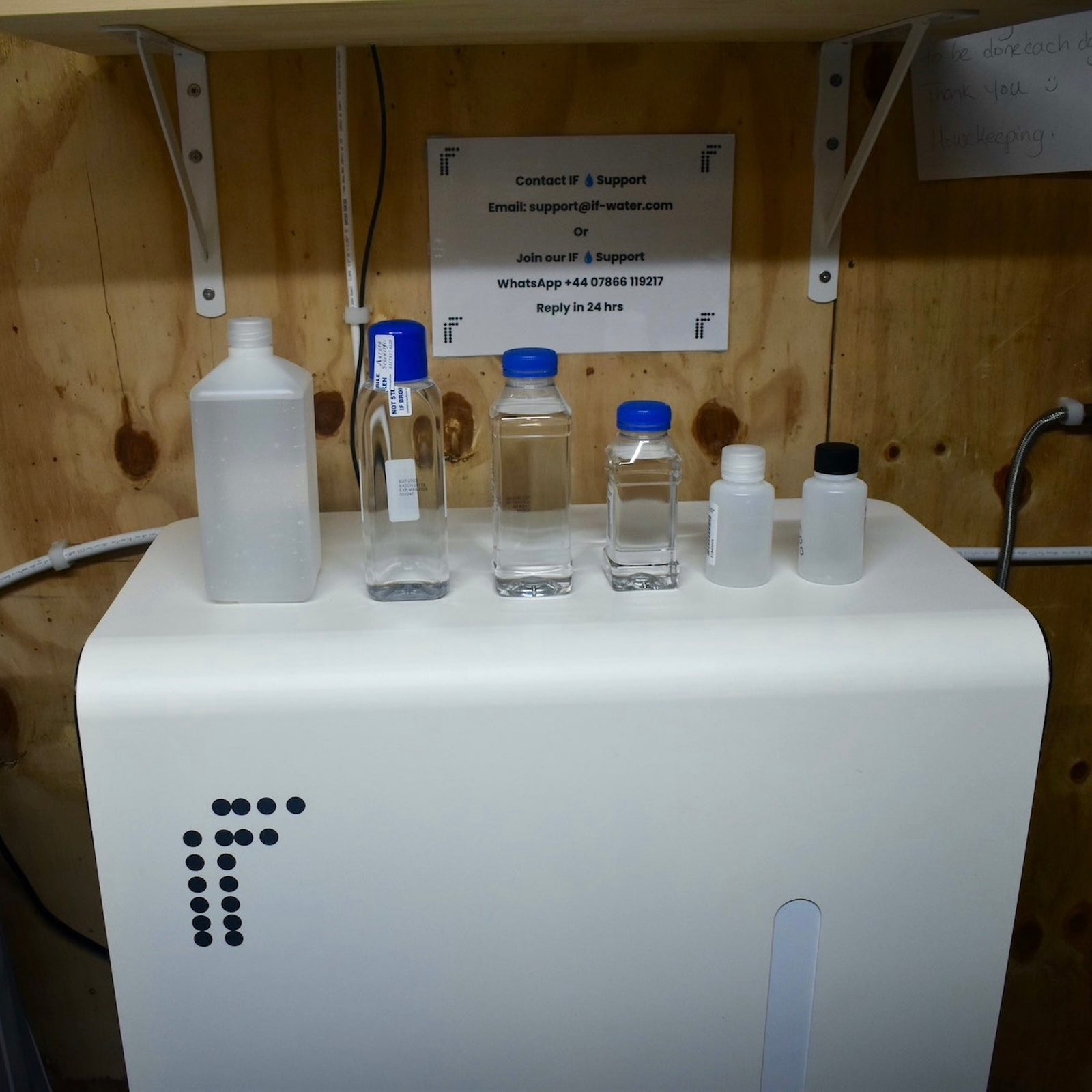
We installed one WaterOne beside the hotel kitchen. Then we sent the loch water and the treated water to Scottish Water Scientific Services, a UKAS-accredited laboratory, on the same day.
The loch carries bacteria, metals and peat at once. That makes it a hard test for anyone who has to make safe water from a source they cannot analyse first: a remote site, a field hospital, a deployed unit.
The problem

Loch water that fails on bacteria, metals and colour at once
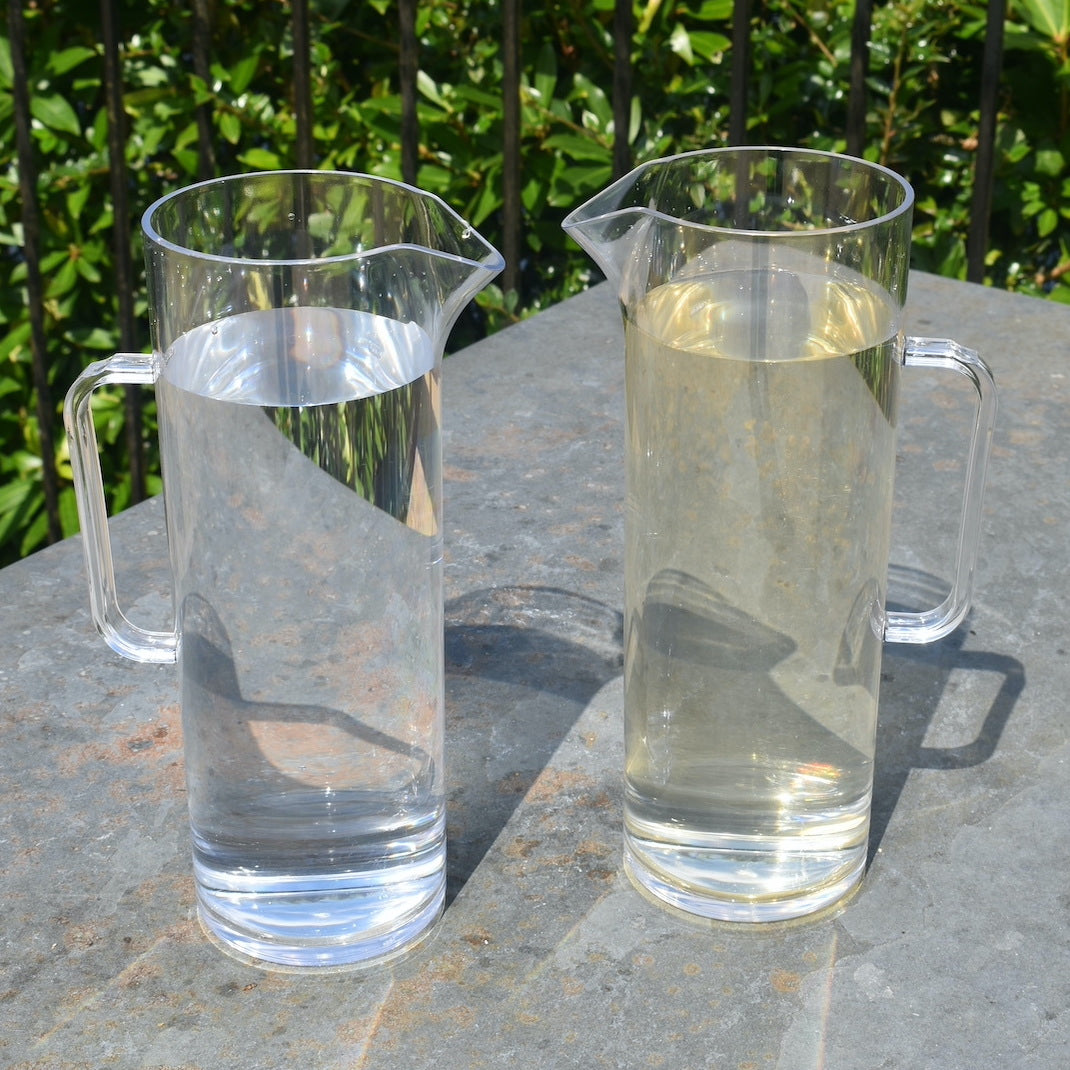
The loch water is acidic (pH 3.8), stained brown by peat, and carries faecal bacteria. Lead, nickel, iron, manganese and aluminium were all above UK drinking water limits. Lead alone was almost five times the limit.
Conventional treatment needs a separate stage for each of these problems.
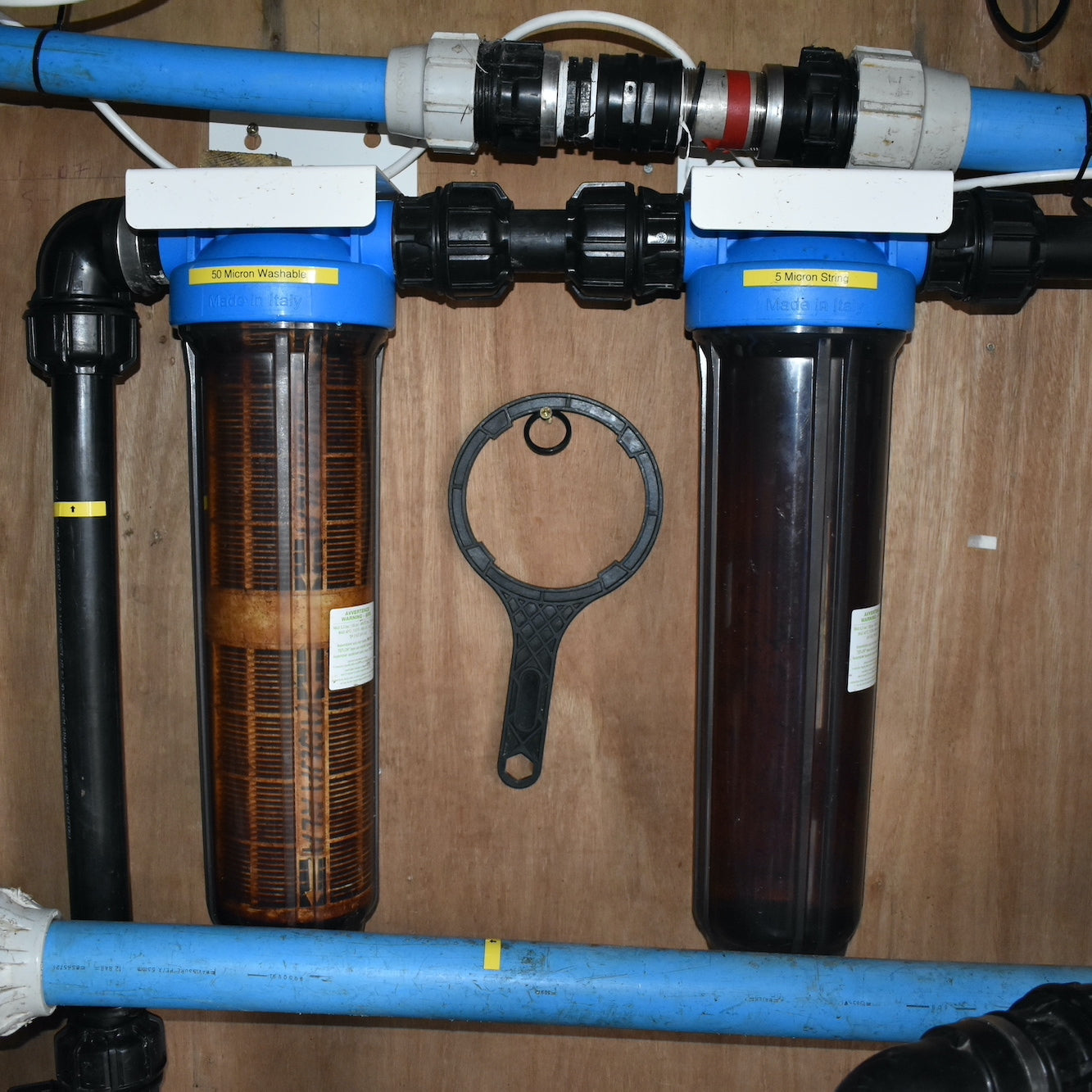

A £30,000 reverse osmosis system that could not cope
“Even if a big central system did work, we have 20 years of build up peat in our pipes. We would be purifying water and it would be coloured again at the tap.”
The resort had spent £30,000 on a reverse osmosis system. It did not handle the contamination consistently, and water treated centrally picked up colour again on its way through the old pipes.

What we did
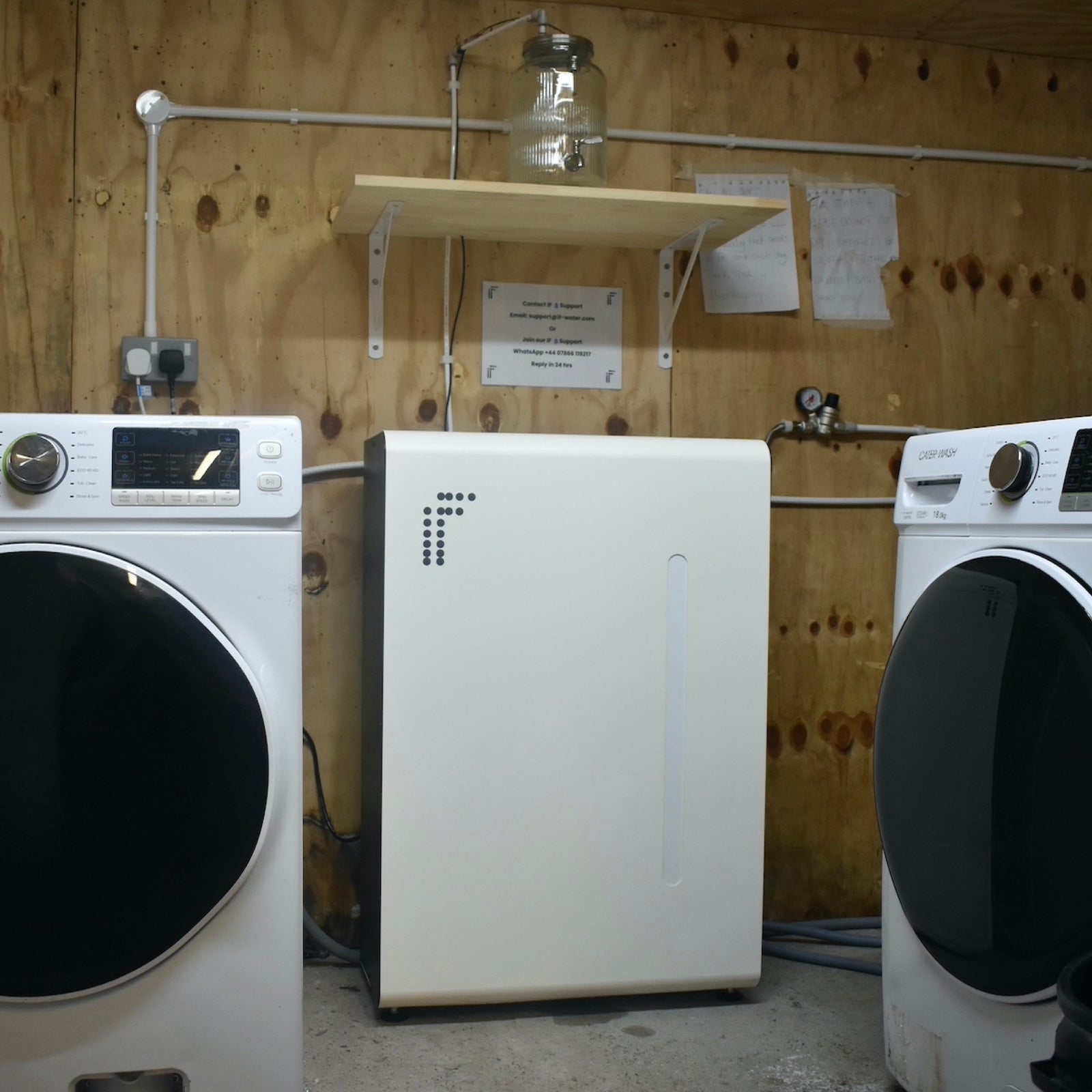

One unit, installed in about an hour
We fitted a single WaterOne near the hotel kitchen, where there was water and power, and where staff could refill jugs and carafes. Treating the water at the point of use means it never travels back through the old pipes.
It treats the resort’s loch supply in one step, with no pre-treatment stage.
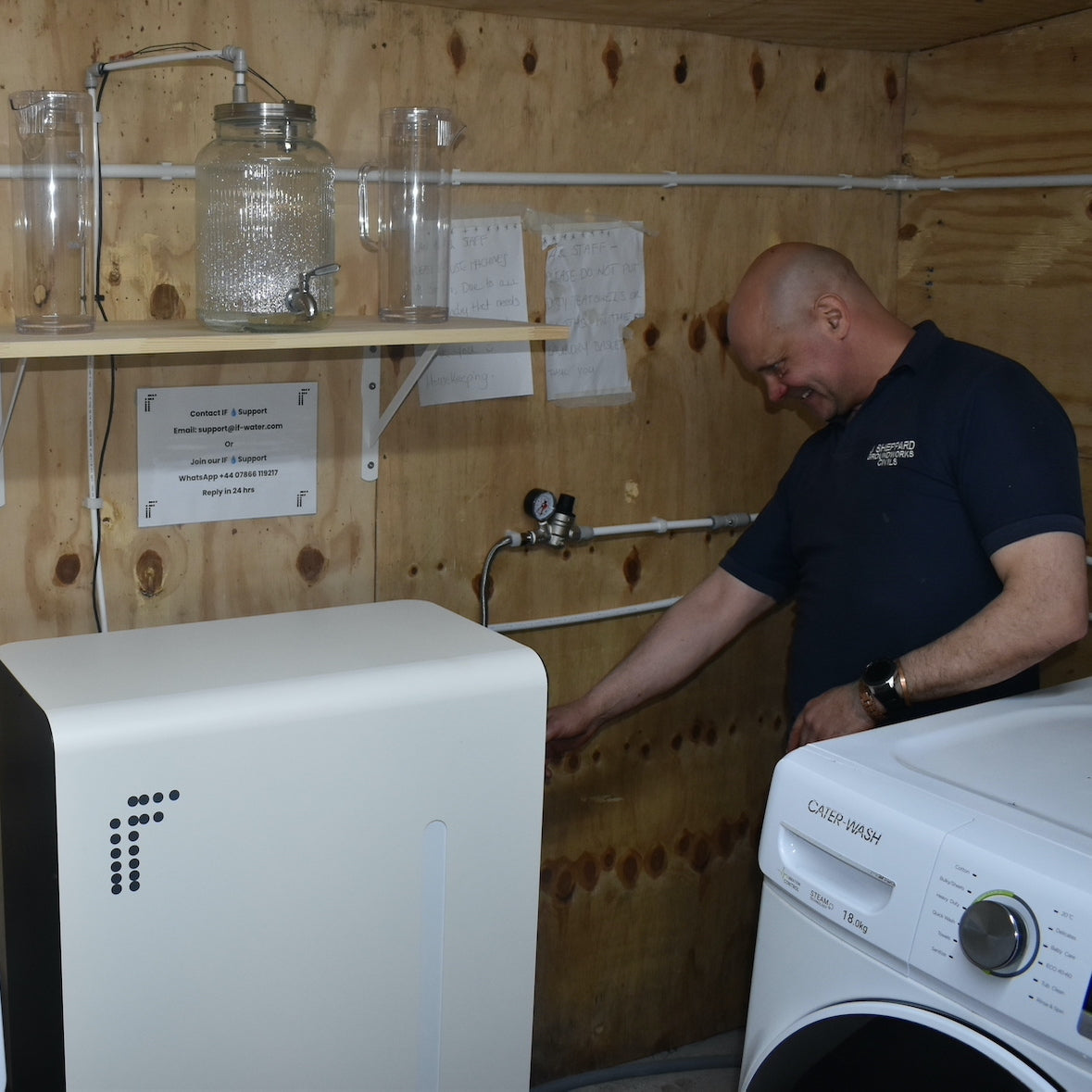

No filters, no membranes, no chemicals
The WaterOne uses Vapour Compression Distillation (VCD), a process used in desalination plants that supply drinking water around the world, miniaturised into one unit.
It treats bacteria, metals and organics in a single stage, with no filters, membranes or chemicals to clog or replace.

The results
Every faecal indicator at zero. Every metal tested within UK limits.
Loch water → treated water
40 → 0
E. coli per 100 ml. UK limit 0
210 → 0
Coliform bacteria per 100 ml. UK limit 0
69 → 0
C. perfringens per 100 ml. UK limit 0
48.6 → <1.1
Lead, µg/l. UK limit 10
129.7 → 4.8
Nickel, µg/l. UK limit 20
1,706 → 19
Iron, µg/l. UK limit 200
190.1 → <2.0
Manganese, µg/l. UK limit 50
270 → 11
Aluminium, µg/l. UK limit 200
140 → <2
Colour, mg/l Pt/Co. UK limit 20
285.2 → 0.8
Total organic carbon, mg/l. No limit set
Ten of the 28 parameters tested. If Water took both samples at Loch Awe at 3 pm on 21 August 2024, and Scottish Water Scientific Services, a UKAS-accredited laboratory, analysed them. The results apply to the parameters measured.
Why this matters beyond one hotel
Bacteria, metals and organics normally need different treatment stages, and you need to know which ones are in the water before you choose them. Distillation handled all three together, and the source did not have to be analysed first.

What changed for the customer
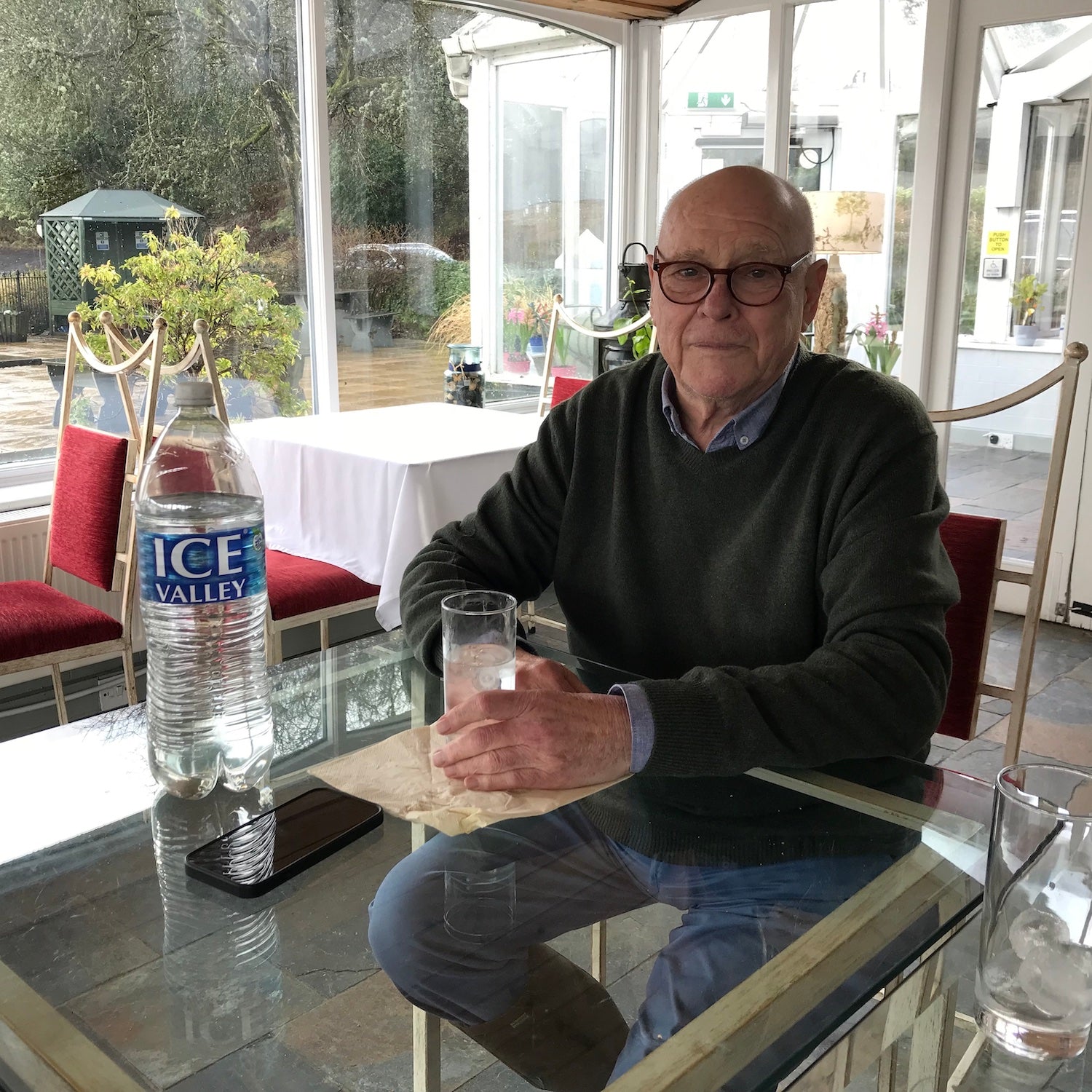
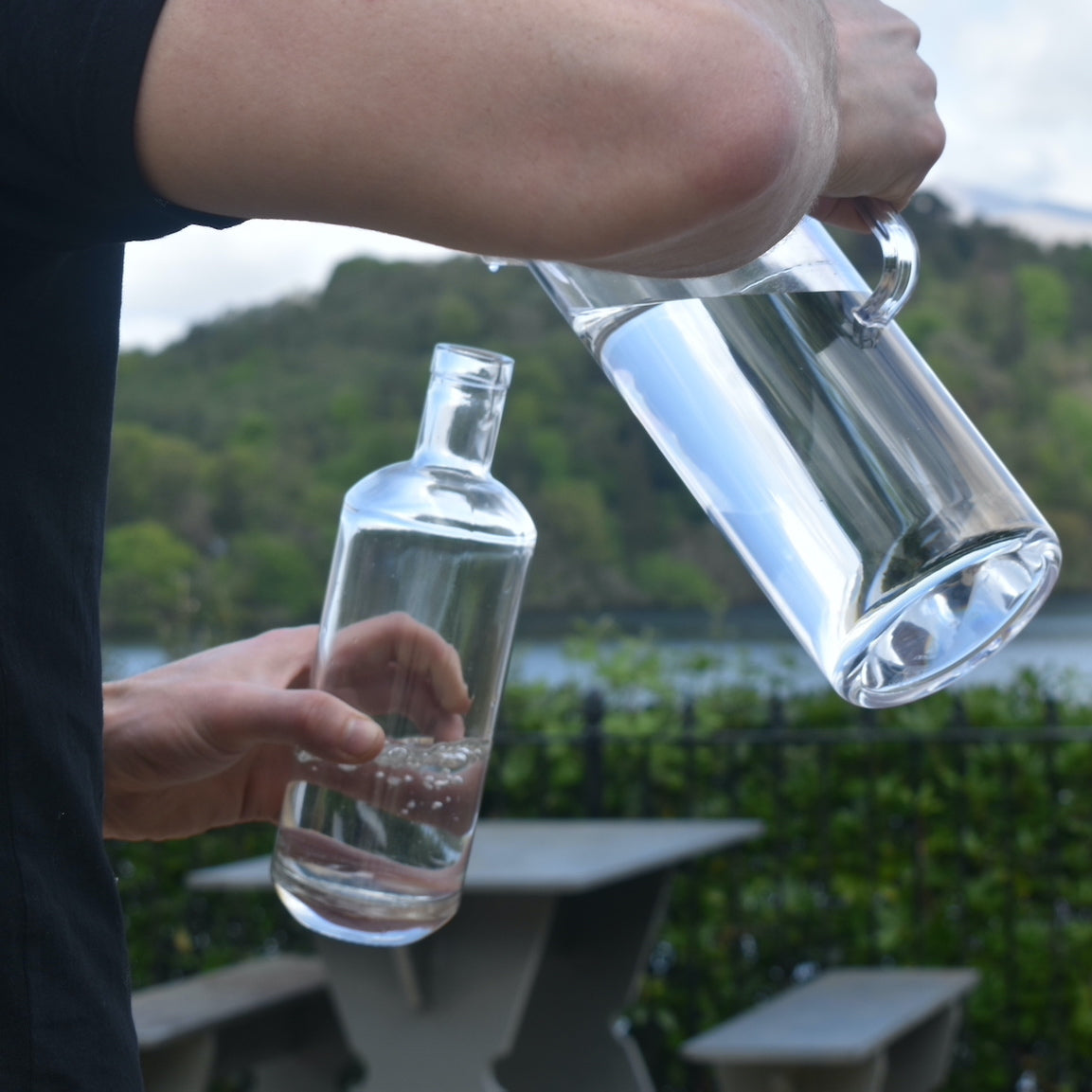
The hotel kitchen no longer uses bottled water for cooking and washing. The restaurant serves treated loch water to guests in jugs and carafes. Bottled water use has fallen by 80%.
“We wanted clear water, but this is above what we were expecting.”
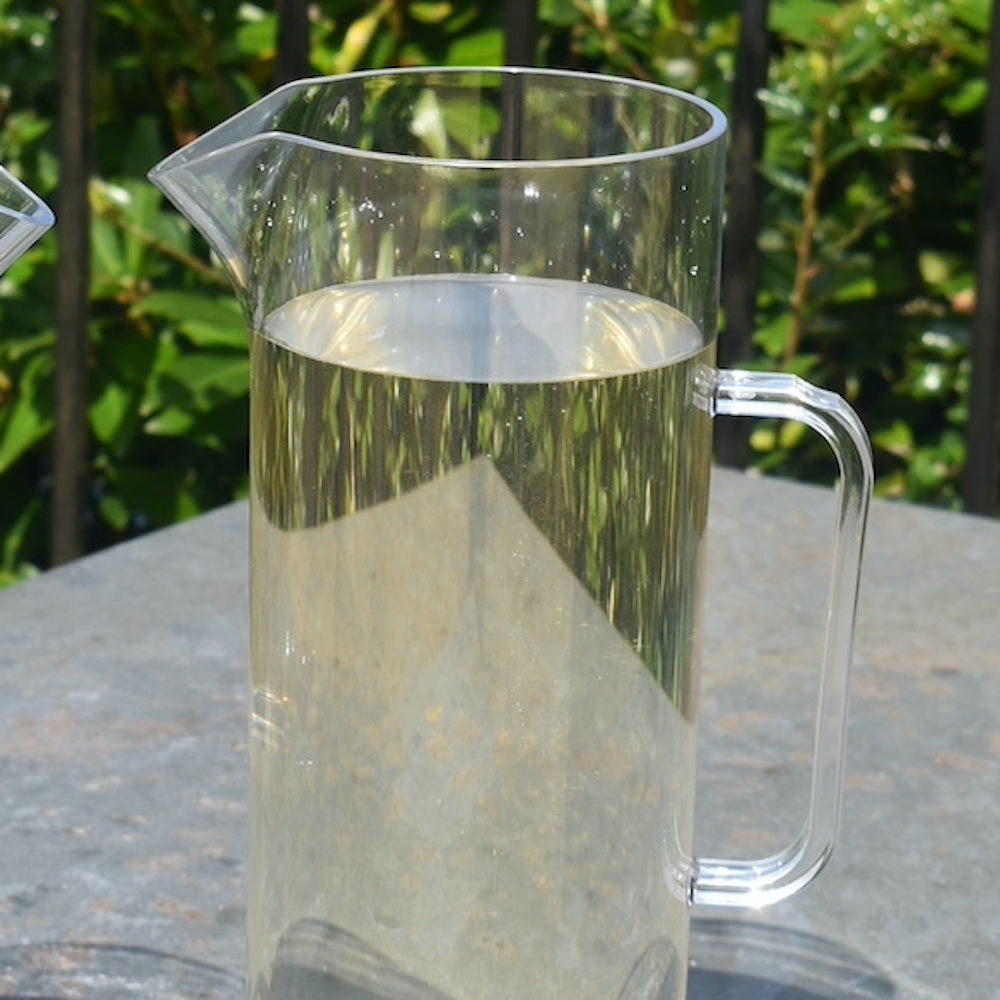
One treatment step removed every faecal indicator and brought every metal tested within UK drinking water limits. Colour fell from 140 to below 2, so the water that came out brown now comes out clear.
Have a water source like this one?
Tell us where your water comes from and what you need it for. We will tell you whether a WaterOne can treat it.
Prefer to talk? Book a call
sales@if-water.com